
Adamawa State Bureau of Public Procurement
Competition - Transparency - Efficiency

Welcome to Adamawa State Bureau of Public Procurement
The introduction of Public Procurement Reforms in Nigeria followed a World Bank Country Procurement Assessment survey conducted in 1999 which established the link between poor/weak public procurement procedures and corruption as well as its far reaching negative consequences on national development especially in the area of infrastructural development in Nigeria.
The Assessment Report revealed that 60k was being lost to underhand practices out of every N1.00 spent by Government and that an average of ten Billion US Dollars ($10b) was being lost annually due to fraudulent practices in the award and execution of public contracts through inflation of contract cost, lack of procurement plans, poor project prioritization, poor budgeting processes, lack of competition and value for money and other kinds of manipulations of the procurement and contract award processes.
In order to address the above shortcomings, the Federal Government initiated the Public Procurement Reform as part of its Economic Reform agenda designed to restore due process in the award and execution of federal government contracts. This led to the setting up of the Budget Monitoring and Price Intelligent Unit (BMPIU known as Due Process) in 2001 to implement the Federal Government’s Public Procurement Reform Policy aimed at minimizing open abuses to known rules, processes and standards in the award and execution of public sector contracts in Nigeria
Following the growing Public demand that the reforms are sustained and institutionalized with legal backing, a Public Procurement Bill was articulated in 2013 by the Leadership of Governor Murtala Hammanyero Nyako and presented to the State House of Assembly. The Public Procurement Bill was thereafter passed by the State House of Assembly on the 17th of March, 2013 and subsequently signed into Law by the Governor on the 1st of June, 2013.
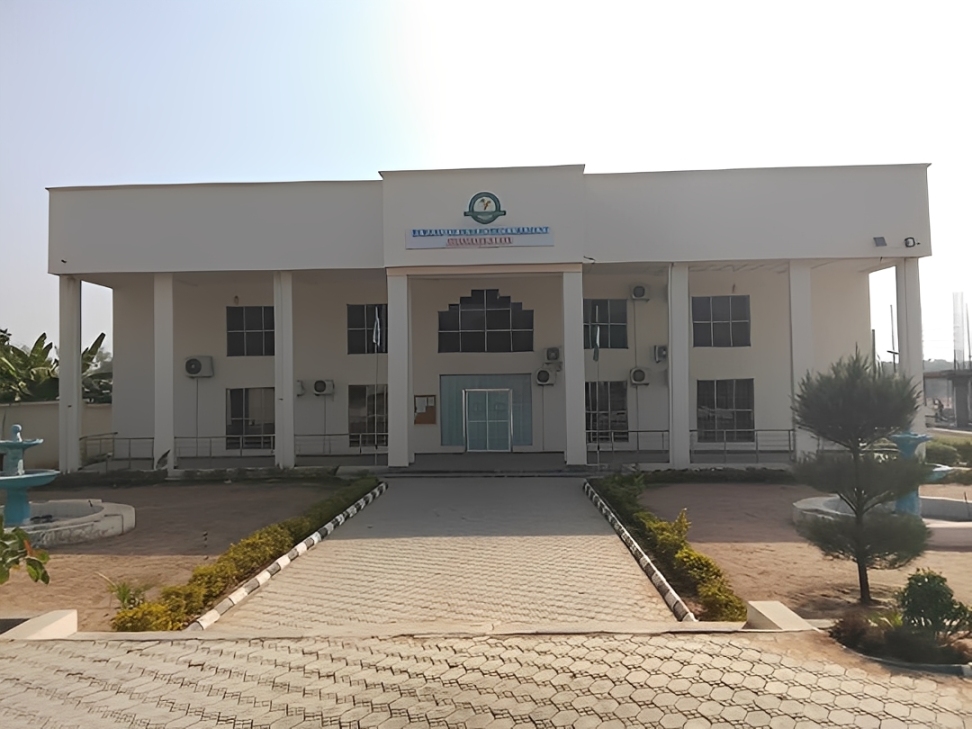
Core Objectives
The Adamawa State Public Procurement Law 2020 as Amended established the Bureau of Public Procurement charged with the responsibility to amongst others, provide Legal and institutional framework and Professional Capacity for public procurement in Adamawa state.
The objectives of establishing the Bureau of Public Procurement are to;
- Harmonize existing government policies and practices on public procurement and ensure probity, accountability and transparency in the procurement process;
- Establish pricing standards and benchmarks;
- Ensure the application of fair, competitive, transparent, value-for-money standards and practices for the procurement and disposal of public assets; and
- Attain transparency, competitiveness, cost effectiveness and professionalism in the public sector procurement system
Functions
The Bureau of Public Procurement has the following functions amongst others:
- Formulate the general policies and guidelines relating to public sector procurement for the approval of the Board; Publicize and explain the provisions of the procurement law;
- Subject to thresholds as may be set; by the Board, certify State procurement prior to the award of contract;
- Supervise the implementation of established procurement policies;
- Monitor the prices of tendered items and keep a state database of standard prices;
- Publish the details of major contracts in the procurement journal;
- Publish paper and electronic editions of the procurement journal and maintain an archival system for the procurement journal;
- Maintain a state database of the particulars and classification and categorization of state contractors and service providers;
- Collate and maintain in an archival system, all state procurement plans and information;
- Undertake procurement research and surveys;
- Organize training and development programmes for procurement professionals;
- Periodically review the socio-economic effect of the policies on procurement and advise the Board accordingly;
- Prepare and update standard bidding and contract documents;
- Prevent fraudulent and unfair procurement and where necessary apply administrative sanctions;
- Review the procurement and award of contract procedures of every entity to which the procurement law applies;
- Appoint external Auditor to perform procurement audits and submit such report to the State Auditor-General bi-annually;
- Establish a single internet portal that shall, subject to Section 18 (21) of this Law serve as a primary and definitive source of all information on Government procurement, containing and displaying all public sector procurement information at all times;
- Coordinates relevant training programs to build institutional capacity; and
- In so far as standards and database are concerned, adopt by official gazette and make applicable in Adamawa State, any similar standard or database, as for the time being are applicable in public procurement by the Federal Government of Nigeria with or without modification.
- Provide and maintain a fully functional unit for receiving and addressing procurement process complaints and their timely resolution, data on such resolutions shall be accessible to the House of Assembly and the Public for scrutiny.
The Powers of the Bureau
- Enforce the monetary and prior review thresholds set by the Board for the application of the provisions of this Law by the procuring entities;
- Subject to the paragraph (a) of this subsection, issue certificate of “No Objection” for Contract Award” within the prior review threshold for all procurements within the purview of this Law :
- From time to time stipulate to all procuring entities the procedures and documentation pre- requisite for the issuance of Certificate of ‘No Objection’ under this Law;
- where a reason exist:
- cause to be inspected or reviewed any procurement transaction to ensure compliance with the provisions of this Law,
- review and determine whether any procuring entity has violated any provision of this Law;
- Debar any supplier, contractor or service provider that contravenes any provision of this Law and regulations made pursuant to this Law;
- Maintain a database of state contractors and service providers and to the exclusion of all procuring entities, prescribe classifications and categorizations for the companies on the register;
- Maintain a list of Firms and persons that have been debarred from participating in public procurement activity and publish them in the procurement journal;
- call for such information, documents, records and reports in respect of any aspect of any procurement proceeding where a breach, wrongdoing, default, mismanagement and or collusion has been alleged, reported or proved against a procuring entity or service provider;
- Recommend to the Board, where there are persistent or serious breaches of this Law or regulations or guidelines made under this Law for:
- The suspension of officers concerned with the procurement or disposal proceeding in issue;
- The replacement of the head or any of the members of the procuring or disposal unit of any entity or The Chairperson of the Tenders Board as the case may be;
- The discipline of the Accounting Officer of any procuring entity;
- The temporary transfer of the procuring and disposal function of a procuring and disposing entity to a Third party procurement agency or consultant ; or
- Any other sanction that the Bureau may consider of appropriate;
- Call for the production of books of accounts, plans, documents, and examine persons or parties in connection with any procurement proceeding ;
- Act upon complaints in accordance with the procedures set out in this Law;
- Nullify the whole or any part of any procurement proceeding or award which is in contravention of this Law, and
- Do such other things as are necessary for the efficient performance of its functions under this Law
Goods
0
Works
0
Services
0
Vision Statement
To be a model of excellence in public procurement that guarantees transparency, accountability, and sustainable development.
Mission Statement
To develop and implement transparent procurement processes, uphold standards, build capacity, and ensure fairness and competitiveness in public contracting.
Our Mandate
To regulate and oversee all public procurement activities in Adamawa State, ensuring transparency, competition, and efficiency. We certify contracts, enforce compliance, audit processes, and promote fair access to public procurement opportunities.
Smart Procurement. Trusted Processes. Better Outcomes.
Promoting transparency, efficiency, and equal access across all government procurements.
The Public Procurement Law 2020 as Amended established the Bureau of Public Procurement as the regulatory authority responsible for the monitoring and oversight of public procurement, harmonizing the existing government policies and practices by regulating, setting standards and developing the legal framework and professional capacity for public procurement in Adamawa State.
Useful Links
Get In Touch
Feel free to contact us using the details provided below.
Bureau of Public Procurement
Opening Hours
Open Daily 9am–5pm Mondays – Fridays